Becoming a household name in WWE isn’t easy—but it brings attention you might not expect. A rising female Superstar recently opened up about fans invading her personal space in ways that make her feel uncomfortable and even unsafe. She stressed that while fan love is incredible, boundaries matter—and in some cases, they’re simply being ignored.
What’s Happening Behind the Glitter and Glam
Picture this: after a live show, you’re cheering fans. You leave the arena, and suddenly people are waiting outside your home, sending personal items—or worse, delivering packages with your hotel room number. That’s the reality some wrestlers are facing.
This particular WWE talent revealed discomfort over fans who go beyond adoring her on-screen persona. Whether it’s coming by her home uninvited or sending unsolicited mail, it all crosses into territory no public figure should be forced to navigate.
Why This Matters—For the Superstar and Us
You might wonder, “Isn’t that just fan passion?” Well, not exactly. Here’s why this intrusion matters:
-
Privacy in Peril: Suddenly, every move feels like it’s being watched—and not just on-camera. That kind of scrutiny can pile on stress and anxiety.
-
Creative Flow Disrupted: Wrestling isn’t just mental; it’s physical. When performers don’t feel safe, their focus and in-ring performance can suffer.
-
A Bigger Conversation: This isn’t isolated. Other big names—like Asuka and Rhea Ripley—have publicly urged fans to back off. That tells us this is a trend, not a one-off.
It’s a wake-up call: fandom must come with respect.
How WWE Pros and the Industry Are Responding
WWE isn’t blind to the issue. Over the past months, several major names have spoken out:
-
Asuka expressed fears of romantic advances and even involved authorities at one point.
-
Rhea Ripley has specifically asked fans to stop sending mail or showing up at her house.
-
Saraya (formerly Paige) warned fans after an uncomfortable encounter at an autograph event.
-
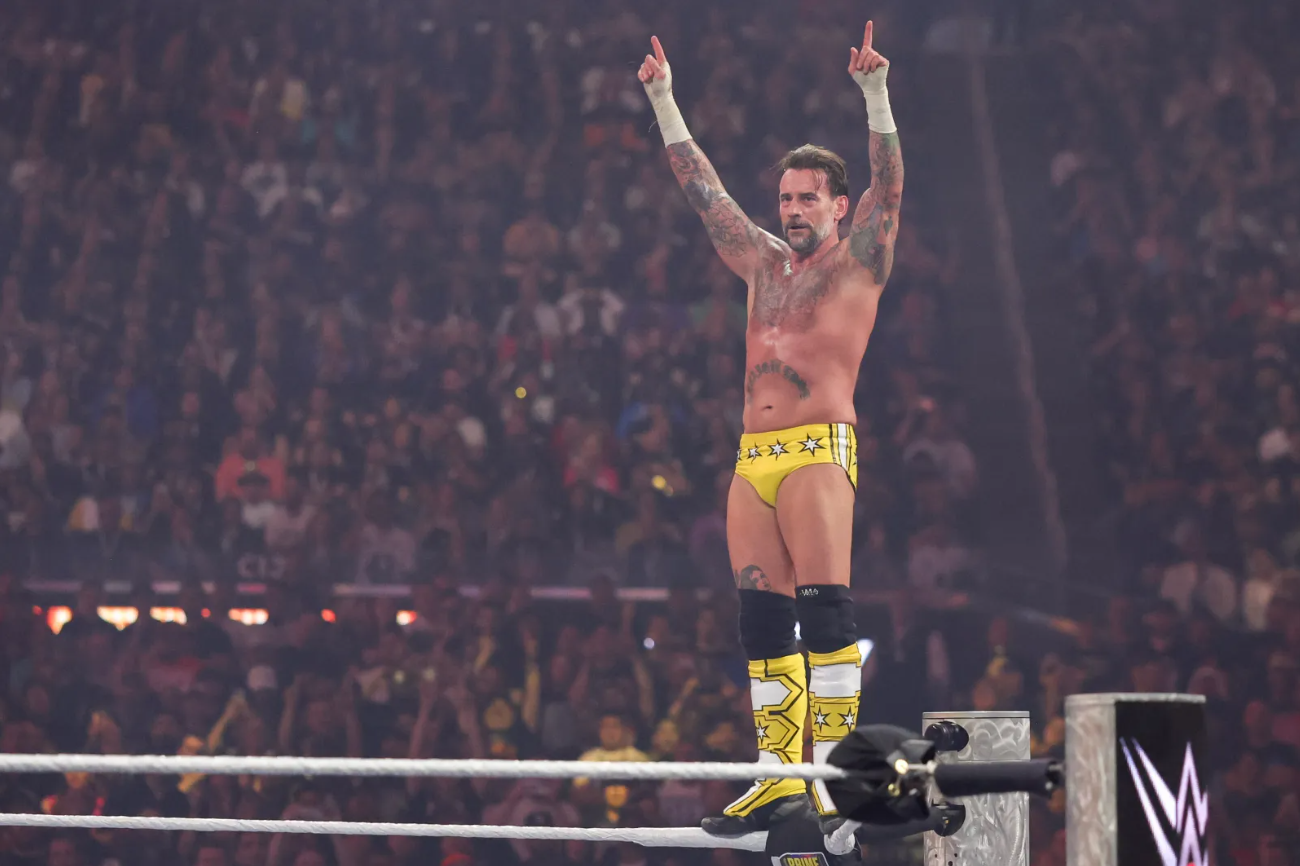
CM Punk has even scolded fans at shows for inappropriate touching.
Clearly, it’s not a lone voice—this is a chorus demanding change.
Boundary Breaches and Industry Reactions
| Wrestler | Incident | Action Taken |
|---|---|---|
| Rising Superstar | Unwanted mails, fans arriving uninvited | Spoke to media about discomfort |
| Asuka | Received packages with personal info, romantic advances | Contacted police, posted concerns publicly |
| Rhea Ripley | Fans sending mail, turning up at her home | Publicly requested no more personal outreach |
| Saraya (Paige) | Disturbing incident at signing event | Issued warning to fans afterward |
| CM Punk | In-show inappropriate touching by fans | Confronted fans directly during live event |
How Fans Can Show Respect—And Keep Themselves in the Crowd
So, what does respectful fandom actually look like?
-
Keep the Distance: Cheering in the arena—great. Camping outside someone’s hotel—not okay.
-
Skip Personal Deliveries: It’s sweet, but sending flowers or gifts to a private address violates privacy.
-
Think Before You Act: Getting someone’s address from social media? That’s a personal invasion. It creeps over the line.
-
Respect Public Spaces: If the superstar is outside a venue, keep space. If it’s their day off, let them be.
Remember: your idol might post online, but that doesn’t equal public property.
The Bigger Picture—Healthy Fandom Starts with Us
This isn’t just a wrestling show. It’s also a human connection. At their core, wrestlers are people—parents, friends, partners—with the right to personal safety and privacy.
-
Mental Health Matters: Boundaries help performers perform better. Feeling unsafe weighs heavy.
-
Industry Culture: When WWE names speak up, change can follow—better protocols, stronger boundaries, safer experiences.
-
Fan Reputation: Respectful fandom reflects well on the community. Let’s be known for support, not stalking.
Conclusion
The ring is dramatic, flashy—and full of fan energy. But outside of it? Wrestlers deserve personal space and peace. A rising WWE Superstar calling out boundary invasions isn’t drama—it’s a plea. It’s a reminder that love doesn’t equal obsession. If you root for them in the arena, root for their rights offstage too.